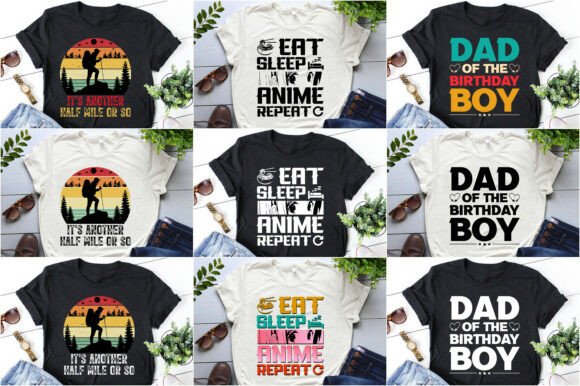
Best Selling T Shirt Design Bundle PNG
A Designer’s First Look: Clean, Bold, and Ready for Real Fabric
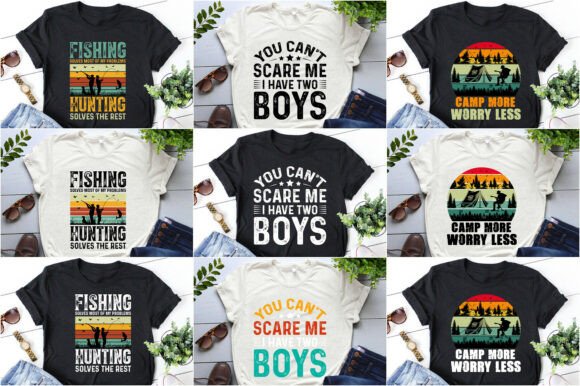
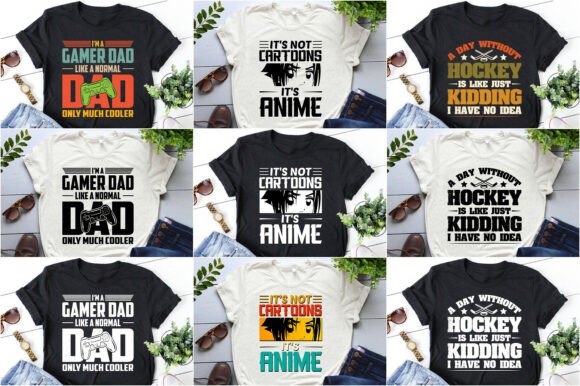
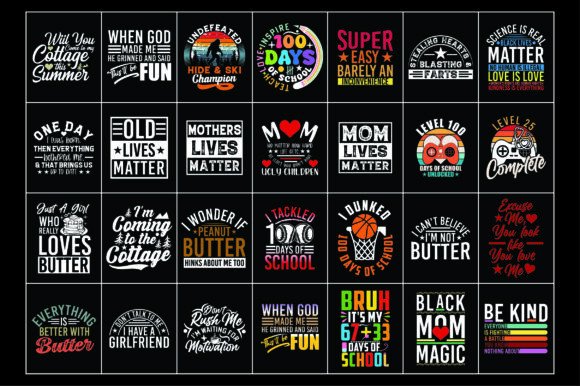
When I opened Best Selling T Shirt Design Bundle PNG, my first thought wasn’t “cute” or “trendy”—it was “this will stitch cleanly.” The nine designs—three each in color, white, and black—have strong silhouettes, intentional negative space, and balanced weight. No pixelated edges, no overcomplicated gradients. Just confident, mid-weight line work and smart simplification—exactly what you want when translating a digital graphic into a machine embroidery design. I immediately pictured one of the minimalist floral motifs on a linen tote bag for a local boutique: crisp, tactile, and quietly sophisticated.
Where It Shines: Embroidery Projects That Feel Intentional
This bundle isn’t built for photorealism—it’s built for recognition at a glance. That makes it ideal for custom apparel where clarity matters more than complexity: sweatshirt chest logos, baby onesie accents, embroidered patches for denim jackets, or holiday kitchen towels with cheerful seasonal icons. As an embroidery designer, I’ve used similar motifs on tea towels for Etsy sellers—customers love how the clean lines hold up after repeated washing, and how easily they translate into printable mockups for social media listings.
The 3x3 inch sizing is a quiet strength. It fits comfortably in standard hoops, avoids excessive stitch density on delicate fabrics like cotton poplin or lightweight knits, and scales well to both small items (caps, baby bibs) and larger surfaces (apron pockets, pillow covers). I recently tested one of the monochrome designs on a textured organic cotton sweatshirt—and because the shapes were bold and uncluttered, the satin stitch held its shape without bleeding or puckering. No stabilizer overkill needed. Just medium tear-away and steady tension.
Where to Pause: Texture, Scale, and Fabric Realities
That said, Best Selling T Shirt Design Bundle PNG isn’t magic. On highly textured fabrics—like terry cloth towels or bouclé knit caps—the fine interior details (think tiny stems or narrow leaf veins) can blur. If your project uses stretchy fabric—say, a fitted raglan tee—you’ll want to test the running stitch elements (like subtle outlines or script accents) for stability. They’re clean in PNG form, but embroidery machines interpret thin lines differently under tension.
Dark fabric demands extra attention too. The white and black versions aren’t just inverted—they’re optimized for contrast, but thread color choice still matters. A light gray thread on navy might read as “soft,” not “crisp.” And while the designs avoid ultra-fine lettering, if you plan to add custom names or dates alongside them (e.g., personalized baby gifts), confirm spacing and legibility in your embroidery software before hooping.
Real-World Fit: From Craft Fair Booth to Boutique Shelf
I used one of the color designs on a set of embroidered aprons for a small-batch kitchen goods shop. The result? Customers consistently commented on how “handmade but polished” they looked—not overly busy, not generic. That balance is rare. It elevated the perceived value without demanding premium pricing. For Etsy sellers, that’s gold: clear visuals in mockups, fast stitching times, and repeatable consistency across batches.
It also works beautifully for holiday embroidery and wedding gifts—think monogrammed linen napkins or minimalist floral patches sewn onto guestbook covers. Because the designs avoid clichés (no cartoonish snowmen or glittery hearts), they feel timeless rather than seasonal. That longevity helps craft businesses maintain brand consistency across product lines, whether selling digitally or in person.
Practical Notes Every Embroidery Designer Should Check
- Test on scrap fabric first—especially if using textured, stretchy, or dark substrates.
- Review stitch density in your embroidery software. Even simple-looking designs can pack dense fills; adjust if needed for lightweight fabrics.
- Confirm hoop size compatibility. While labeled 3x3, verify actual dimensions in your editing software—some bundles include slight padding or bleed.
- Inspect small details at 200% zoom: are interior cutouts clean? Do corners taper smoothly? This affects satin stitch flow.
- Try black-and-white mockups before finalizing. Does the design retain personality without color? (Spoiler: most do—thanks to smart shape hierarchy.)
- Compare light/dark fabric backgrounds in your design preview. Some white-on-transparent PNGs behave differently on black fabric versus white.
- Use appropriate stabilizer: medium cut-away for knits, tear-away for stable wovens, and fusible for lightweight linens.
- Check licensing before selling finished embroidered products or reselling digital files. Bundles like Best Selling T Shirt Design Bundle PNG often include commercial use, but always verify terms directly from the source.
Final Thought: A Reliable Tool, Not a Trend Chaser
This isn’t a bundle that shouts. It doesn’t need to. What Best Selling T Shirt Design Bundle PNG delivers is reliability—clean vector-ready shapes, thoughtful contrast options, and consistent proportions that translate across embroidery projects without fuss. Whether you’re prepping a batch of personalized gifts for a craft fair, building a cohesive line of boutique merchandise, or sourcing design assets for client apparel work, it earns its place in your workflow not because it’s flashy, but because it works.
For embroidery designers, small shop owners, and creative entrepreneurs who value time, clarity, and customer trust over novelty alone—this bundle feels less like a download and more like a well-chosen tool in your kit. One you’ll reach for again, not just once, but across seasons, stitches, and stories.